Gaspar Borchardt violin, 2004, Cremona ITALY | Metzler Violins
powerful, warm, versatile
About the Instrument
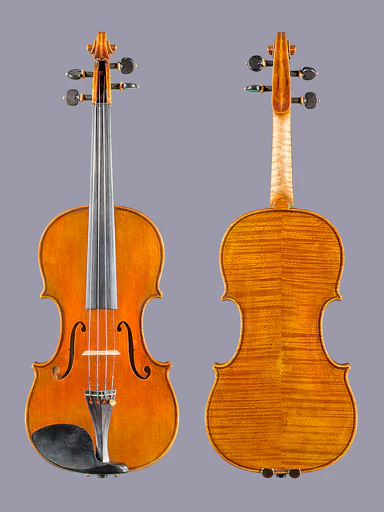
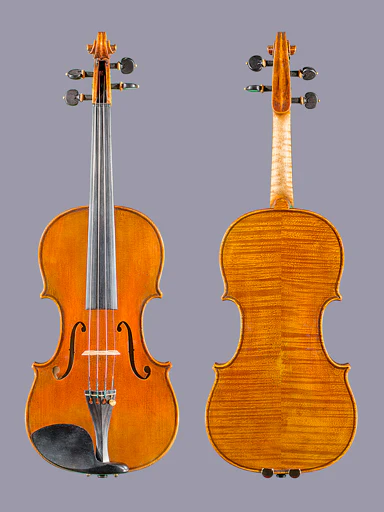
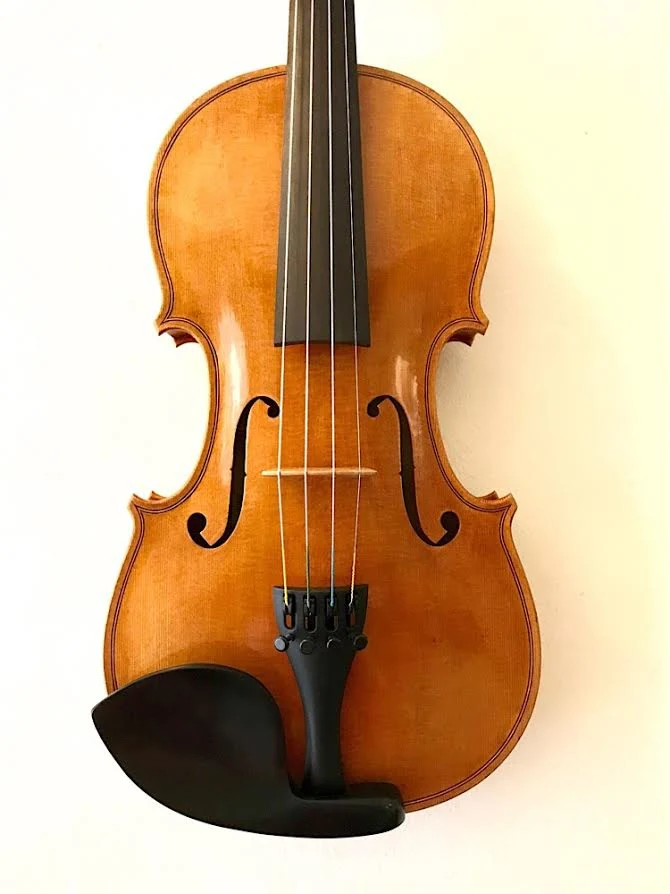
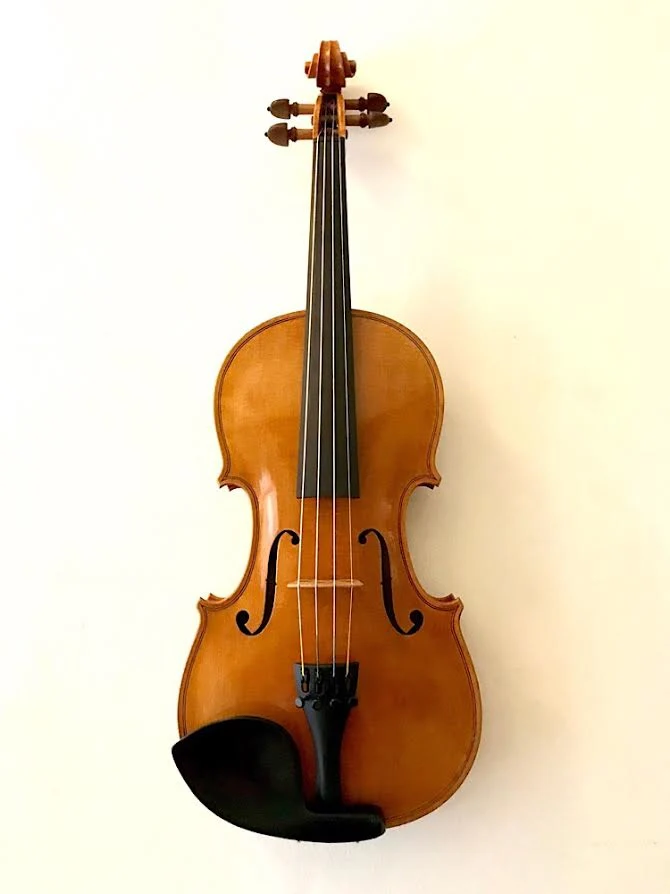
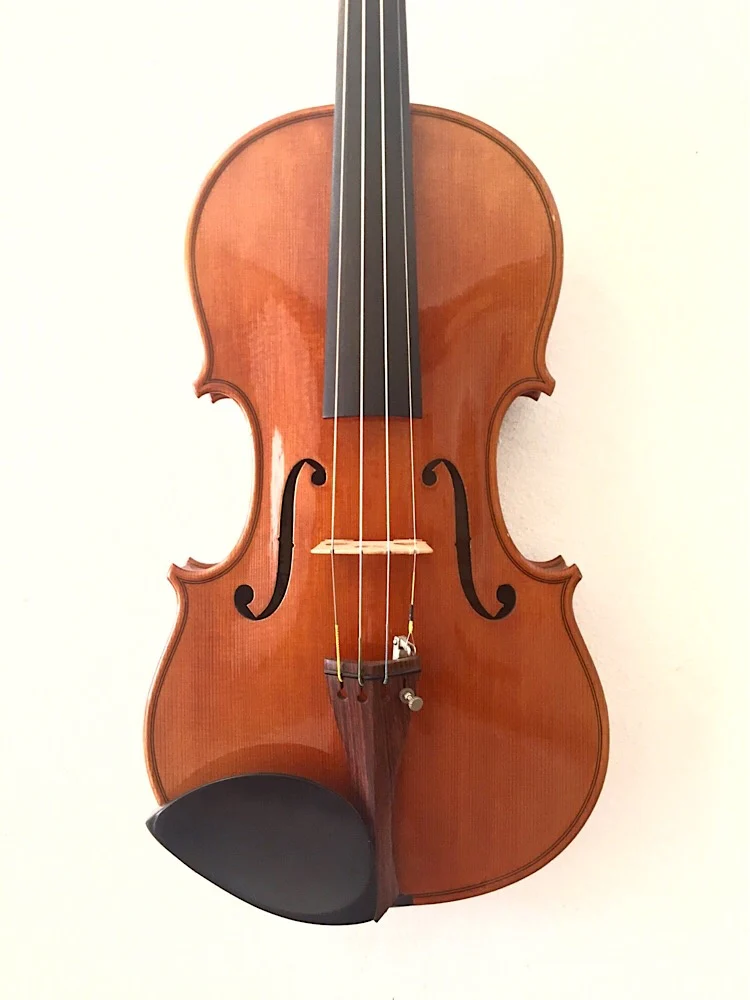
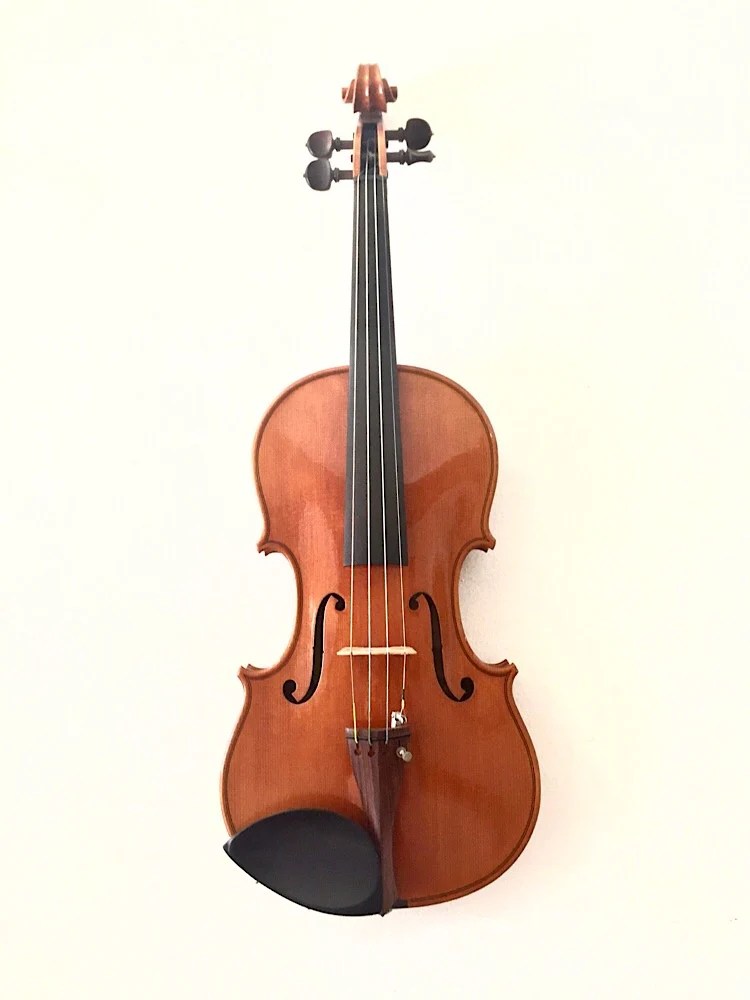
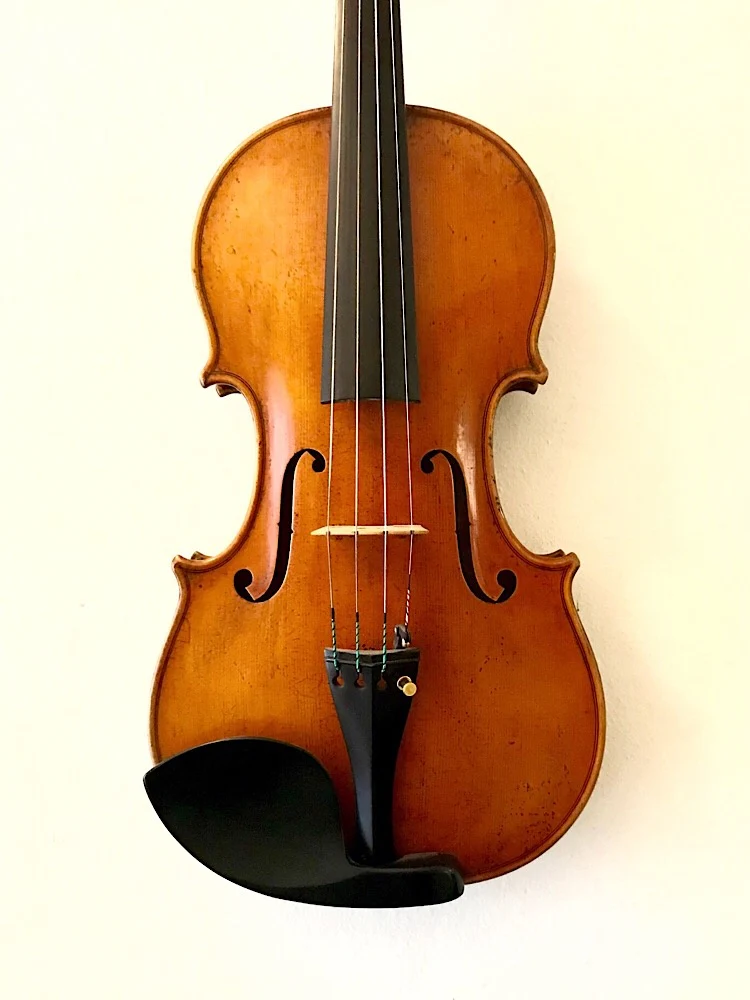
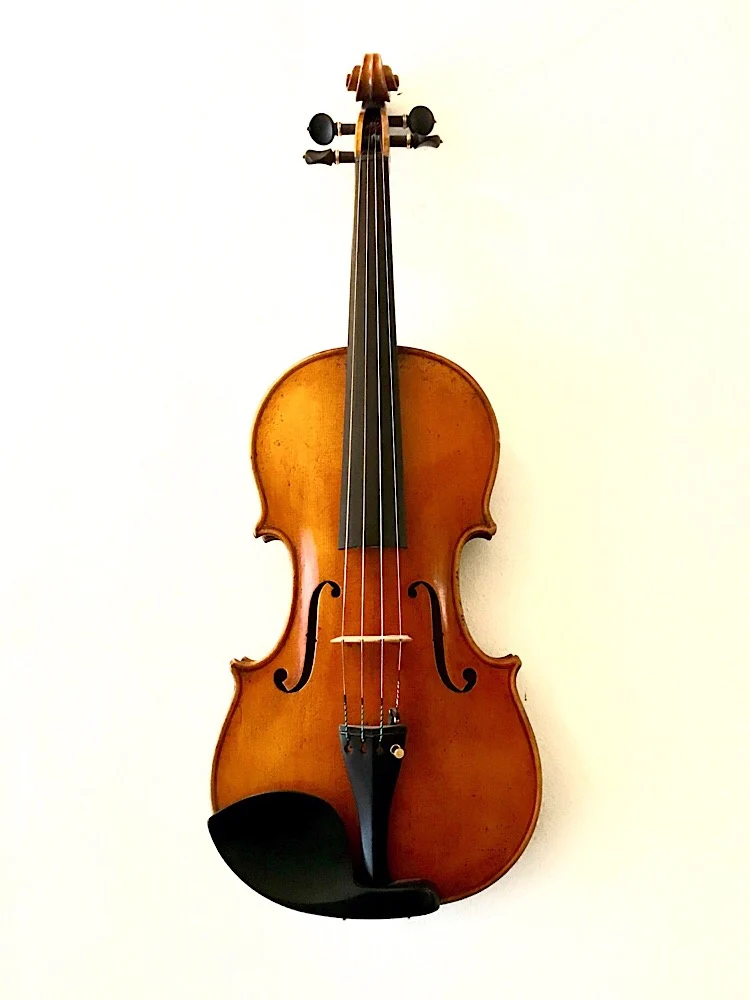
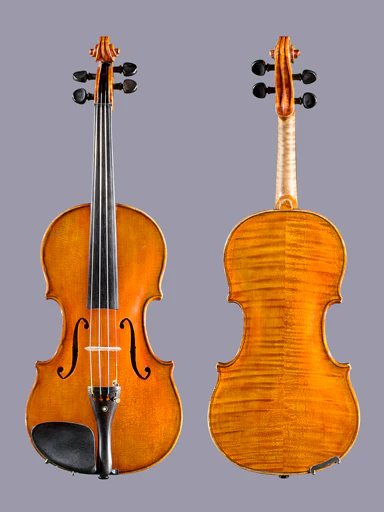
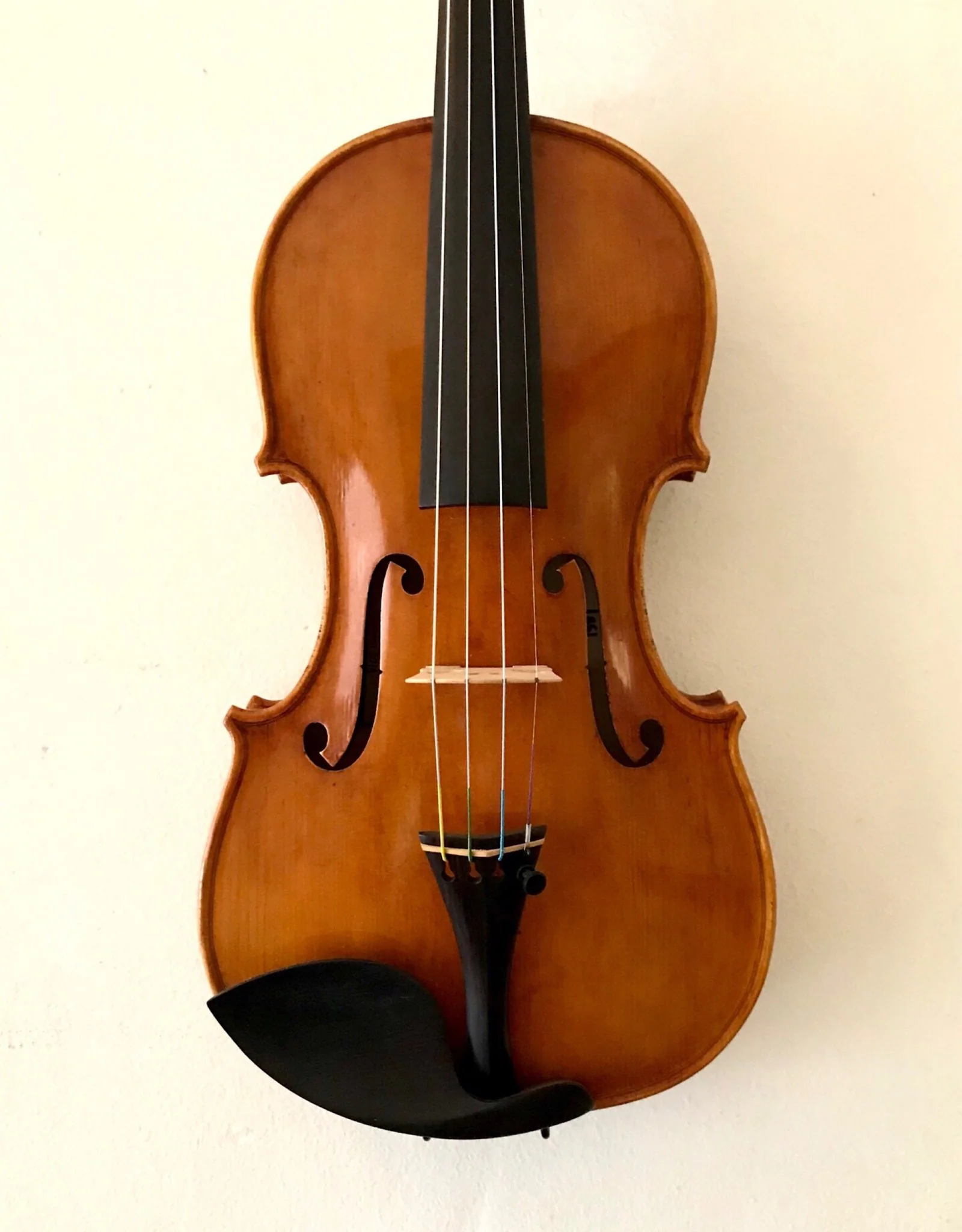
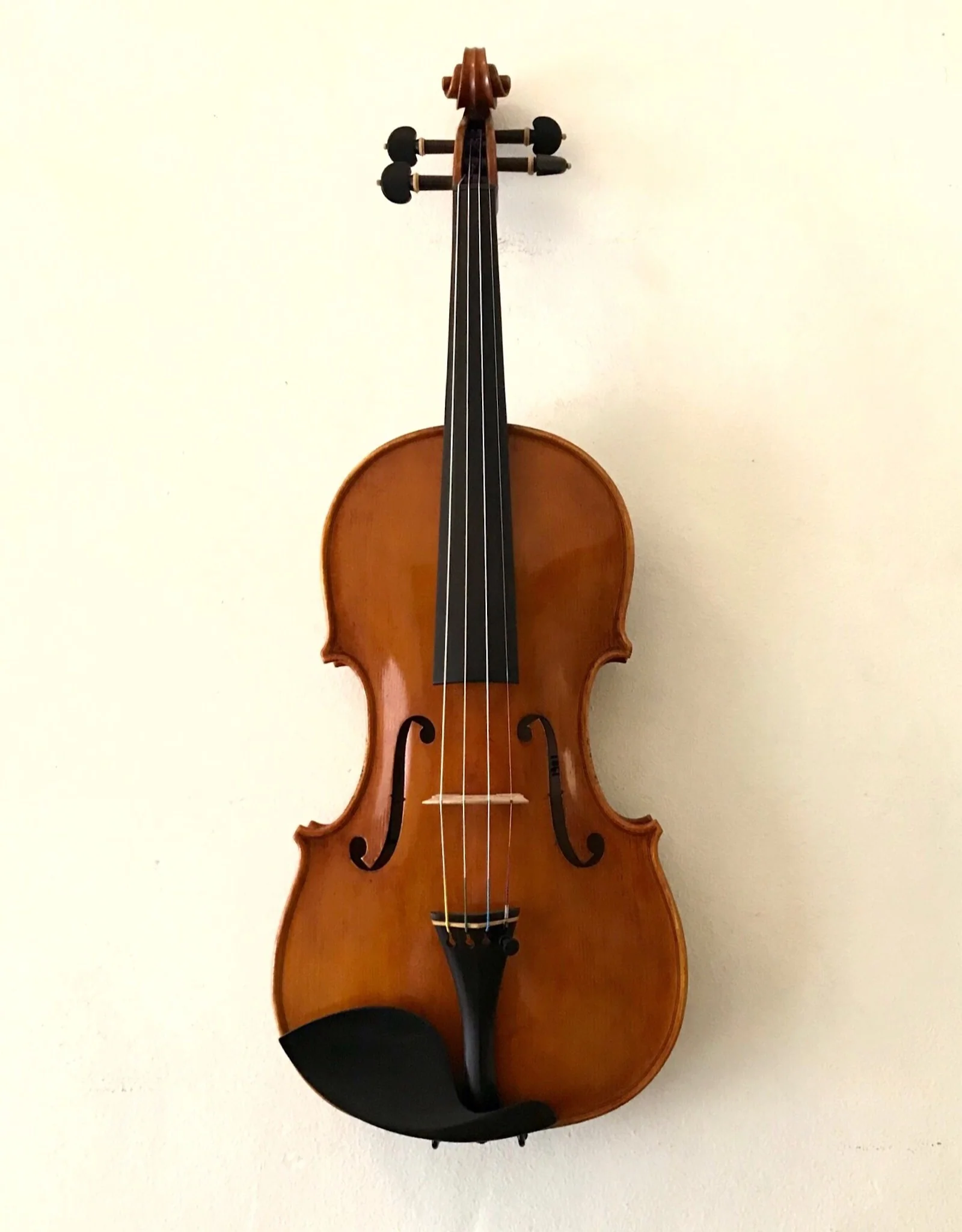
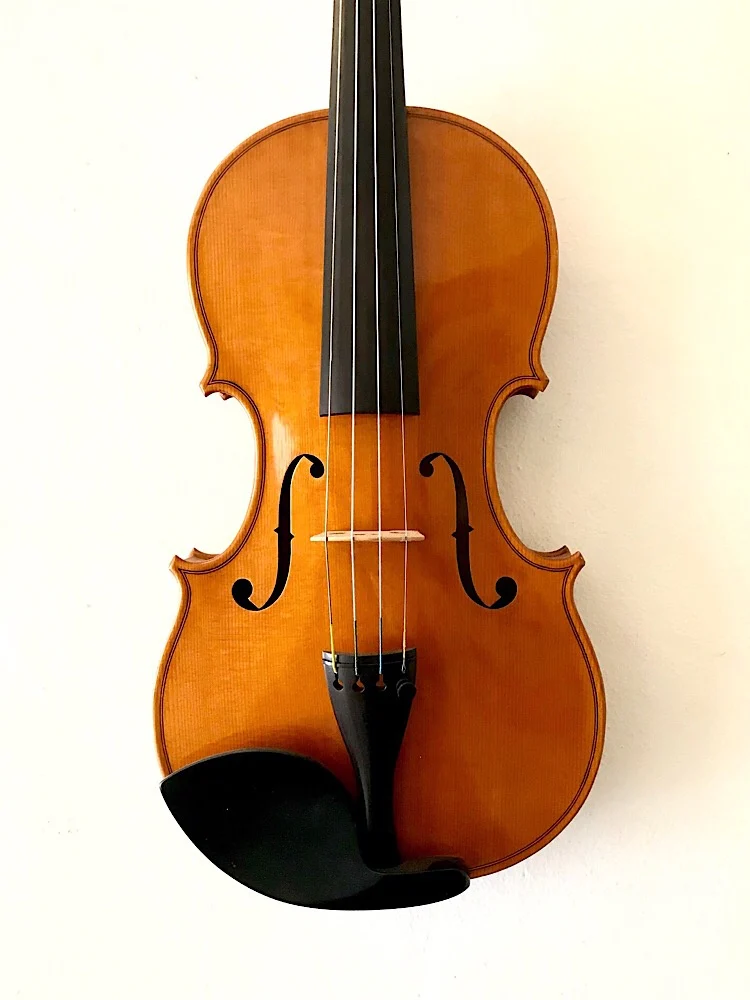
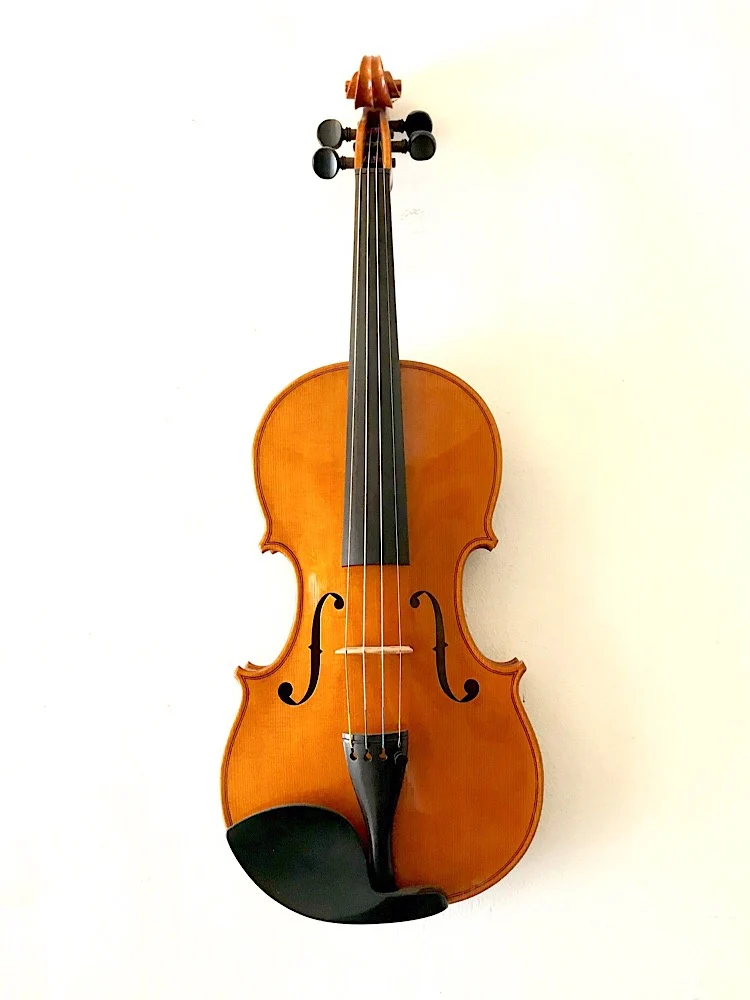
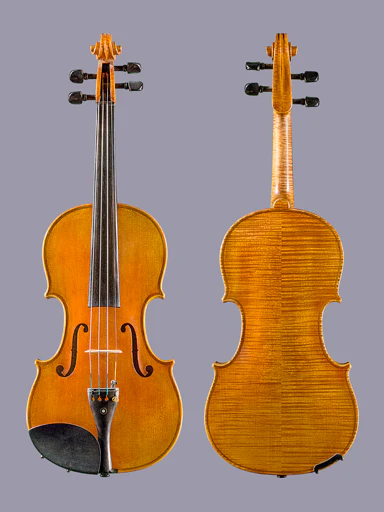
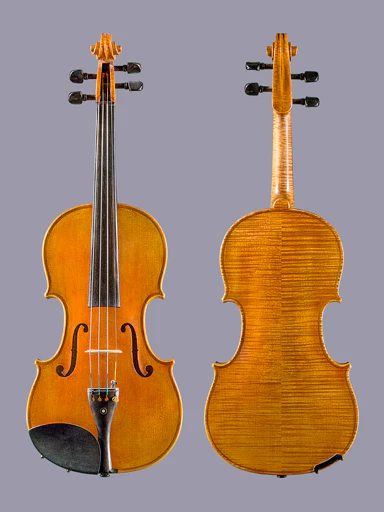
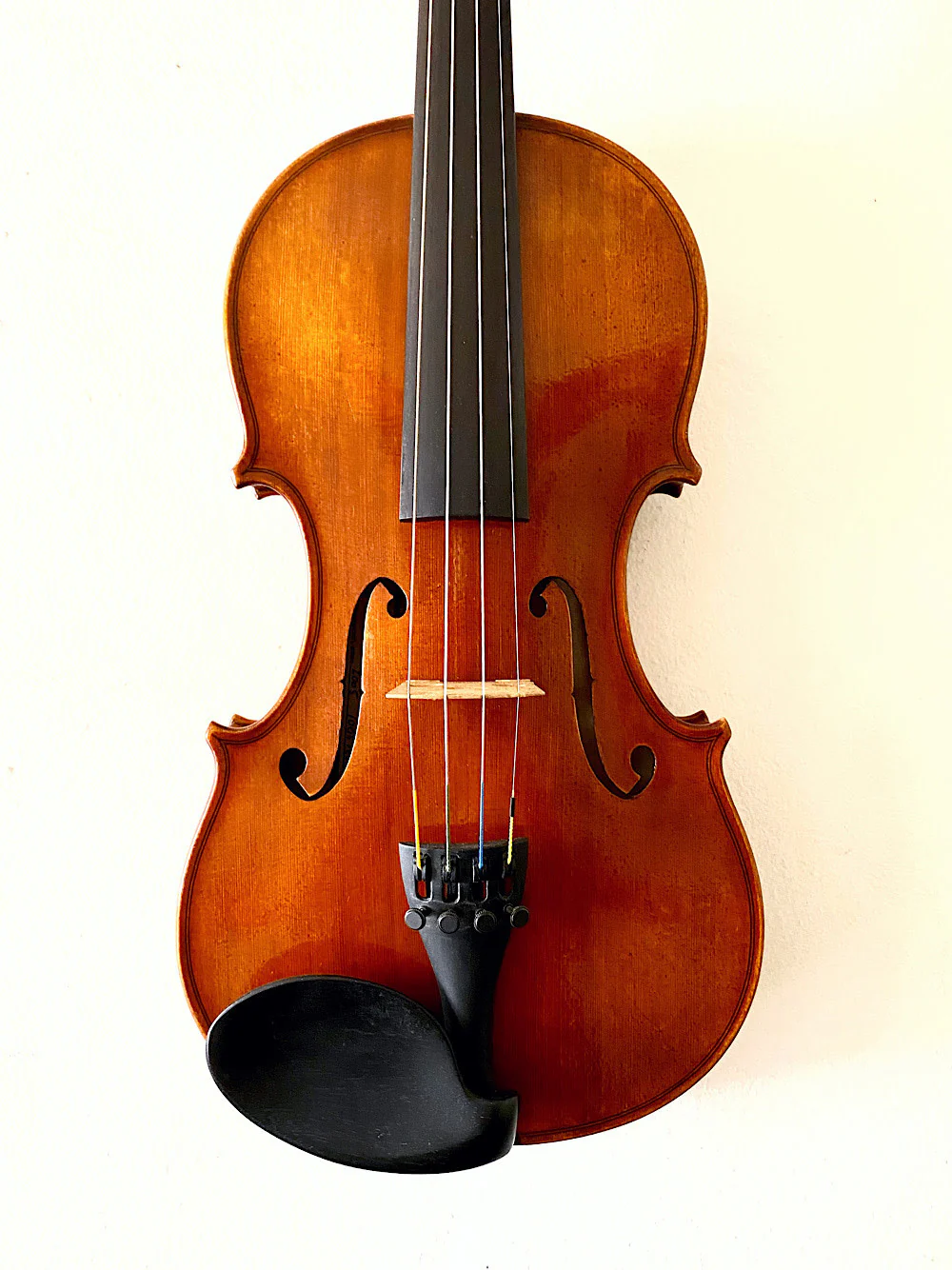
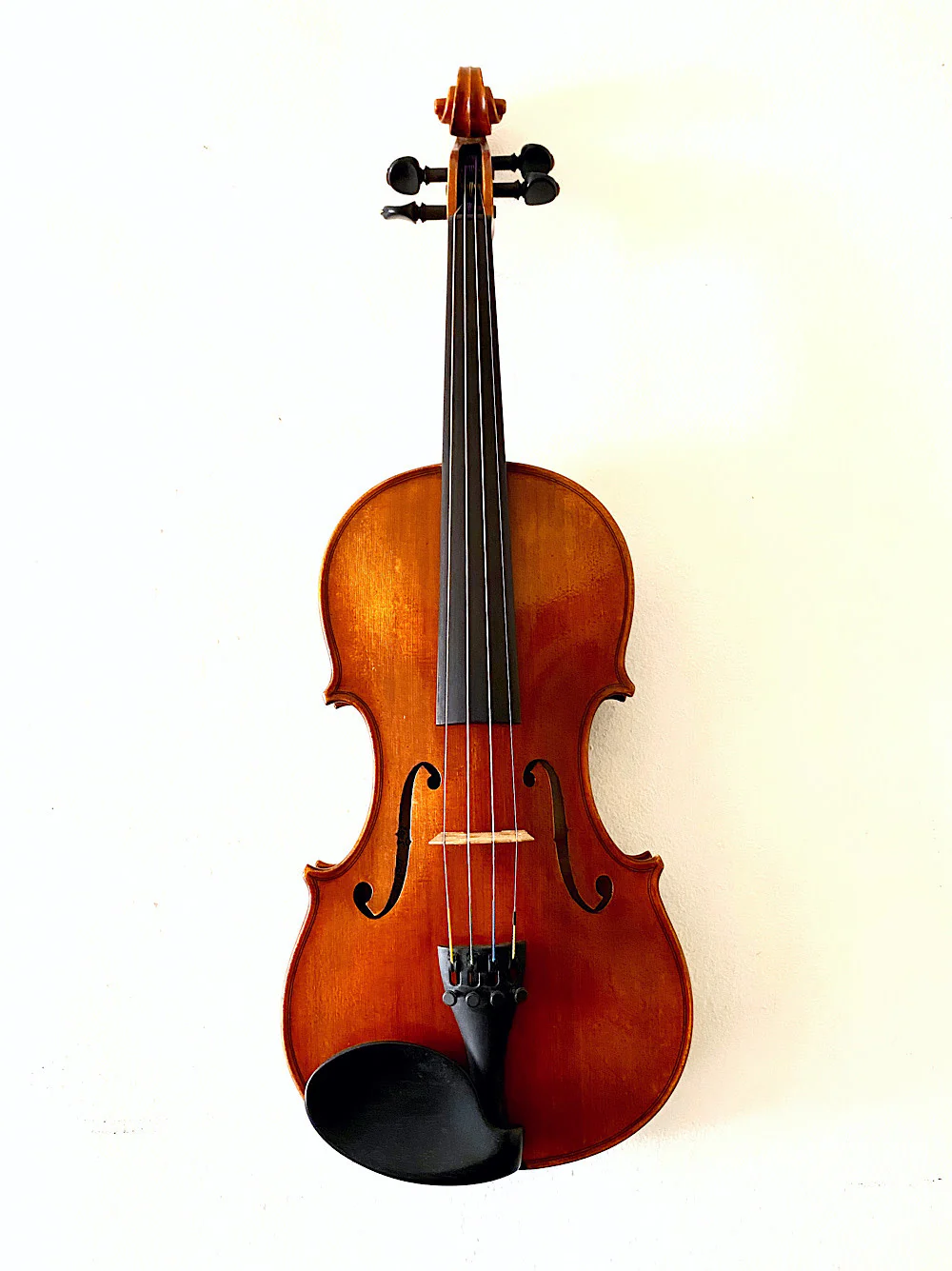
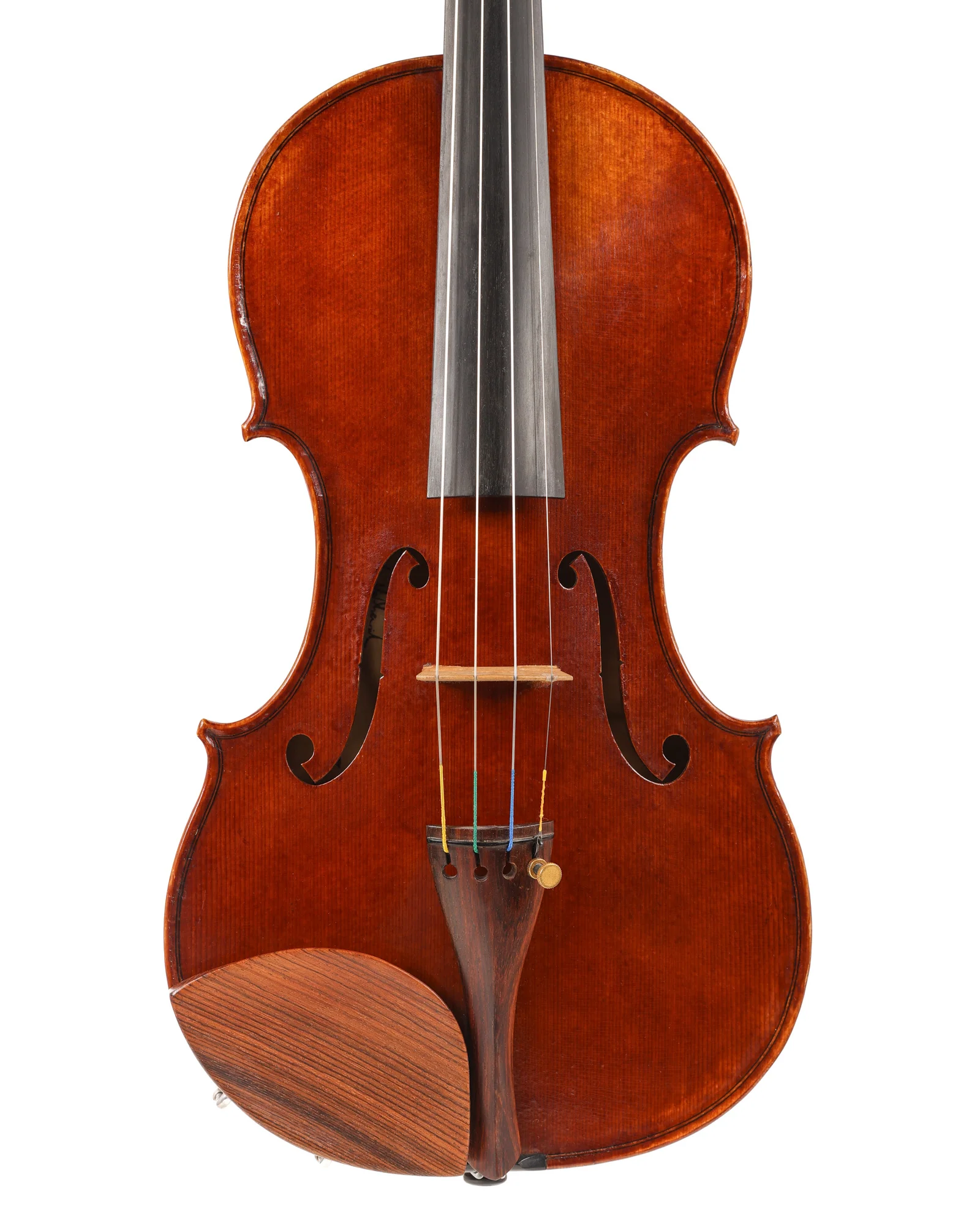
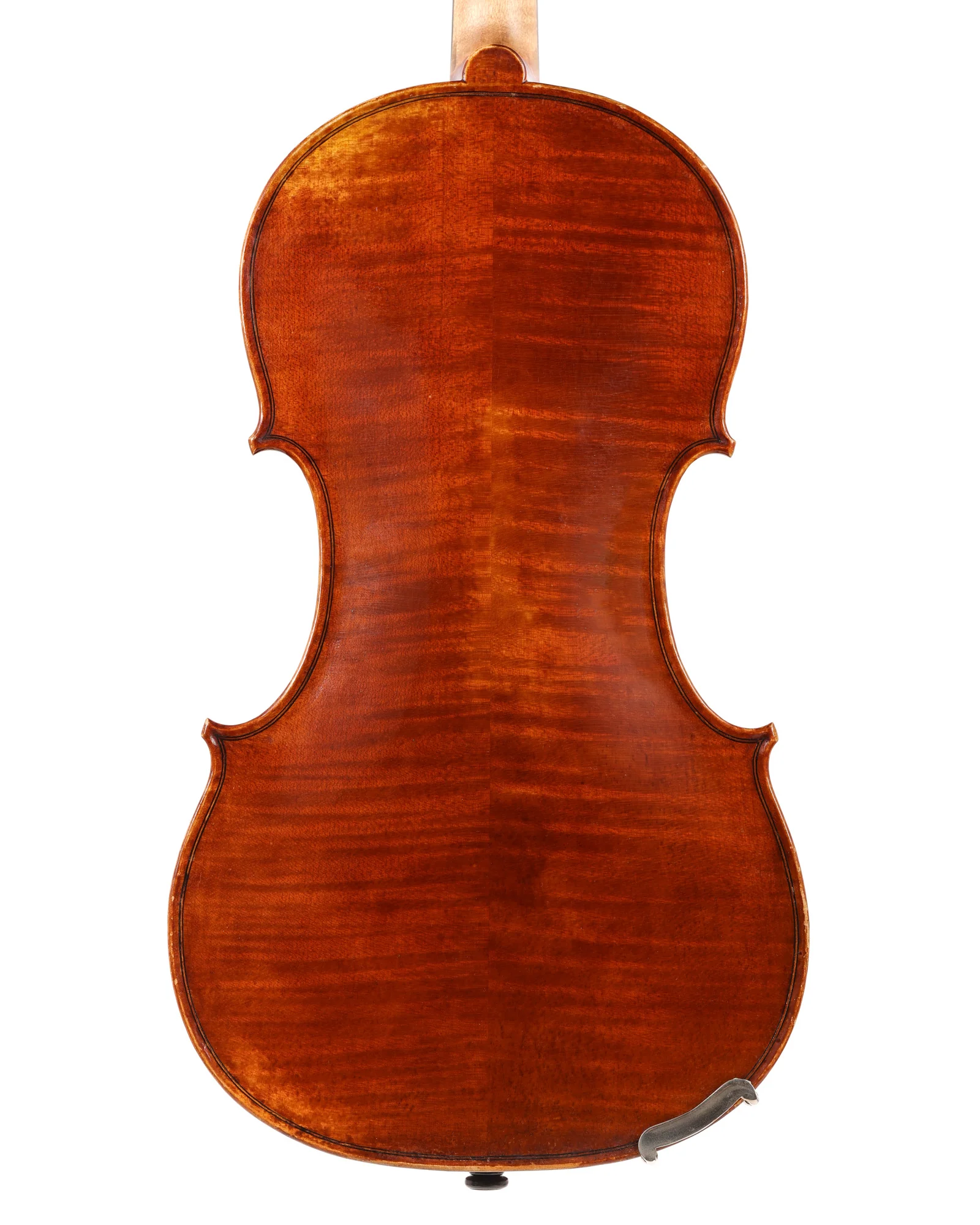
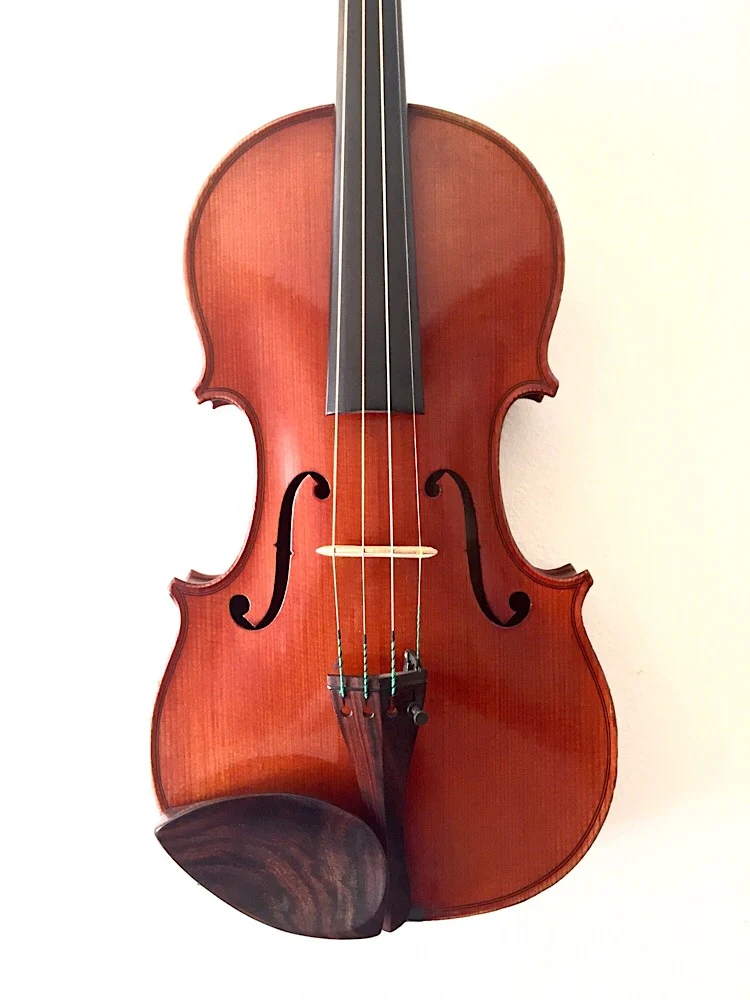
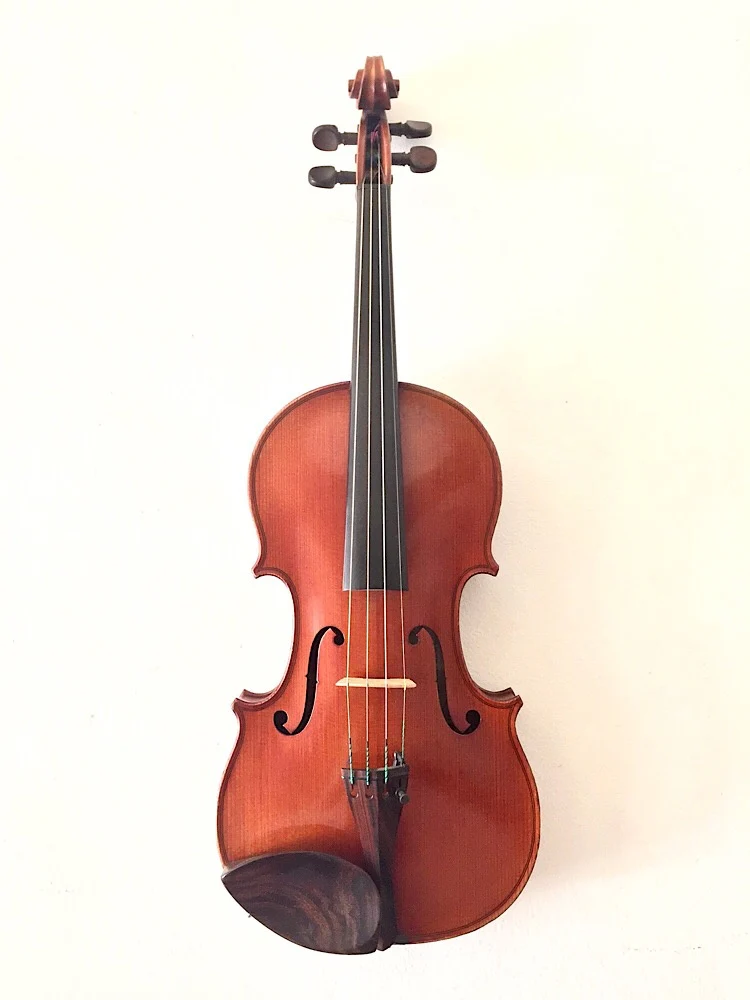
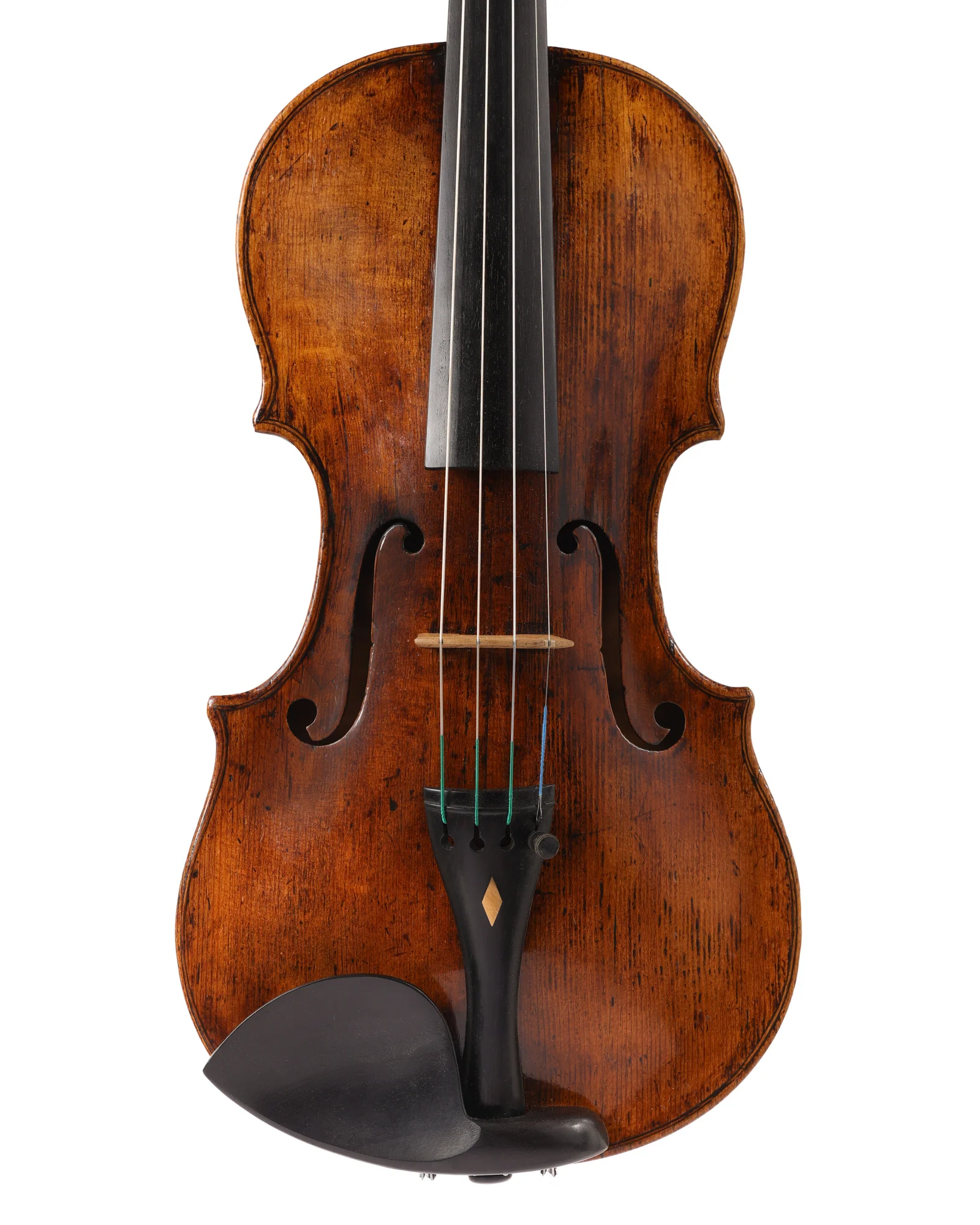
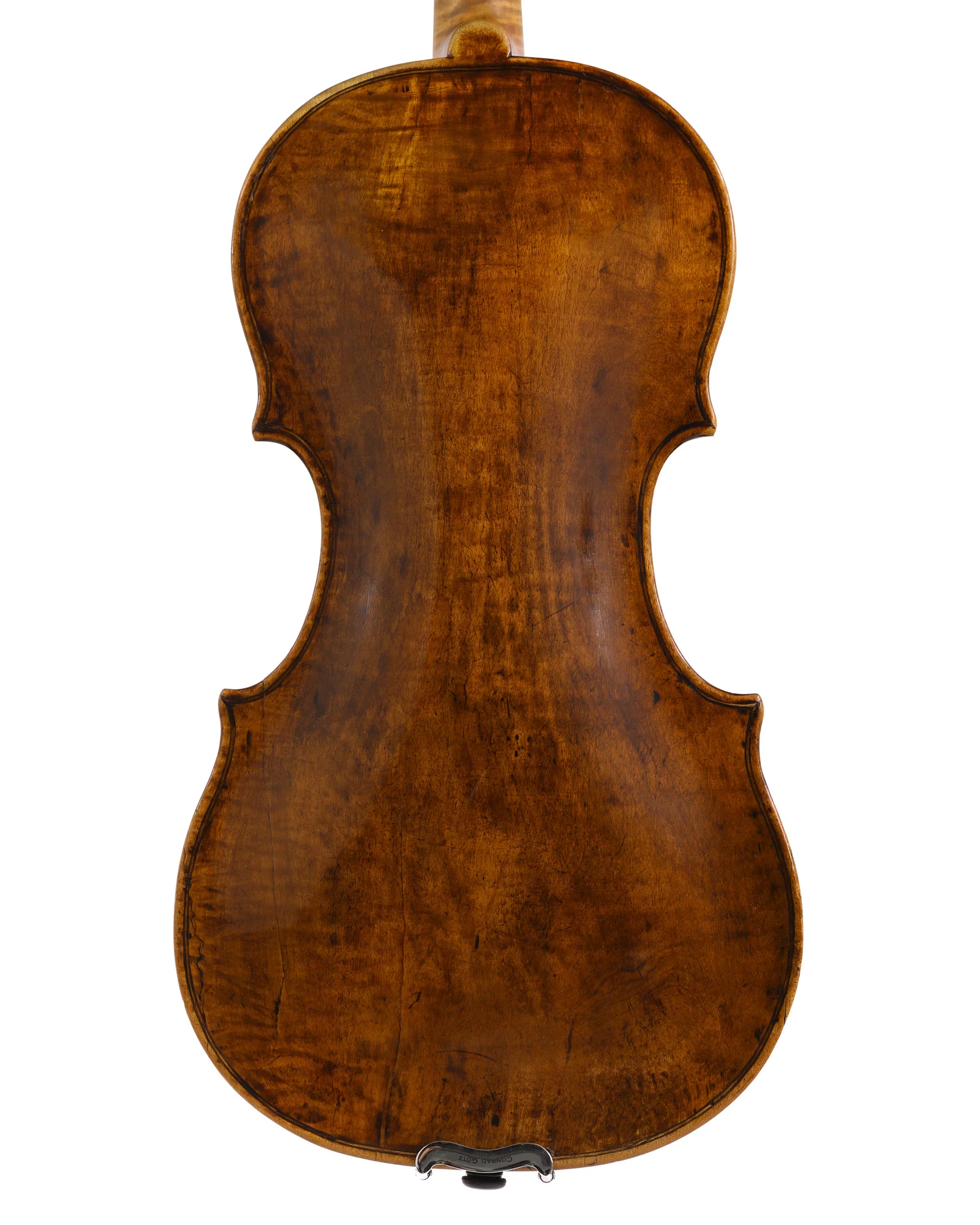
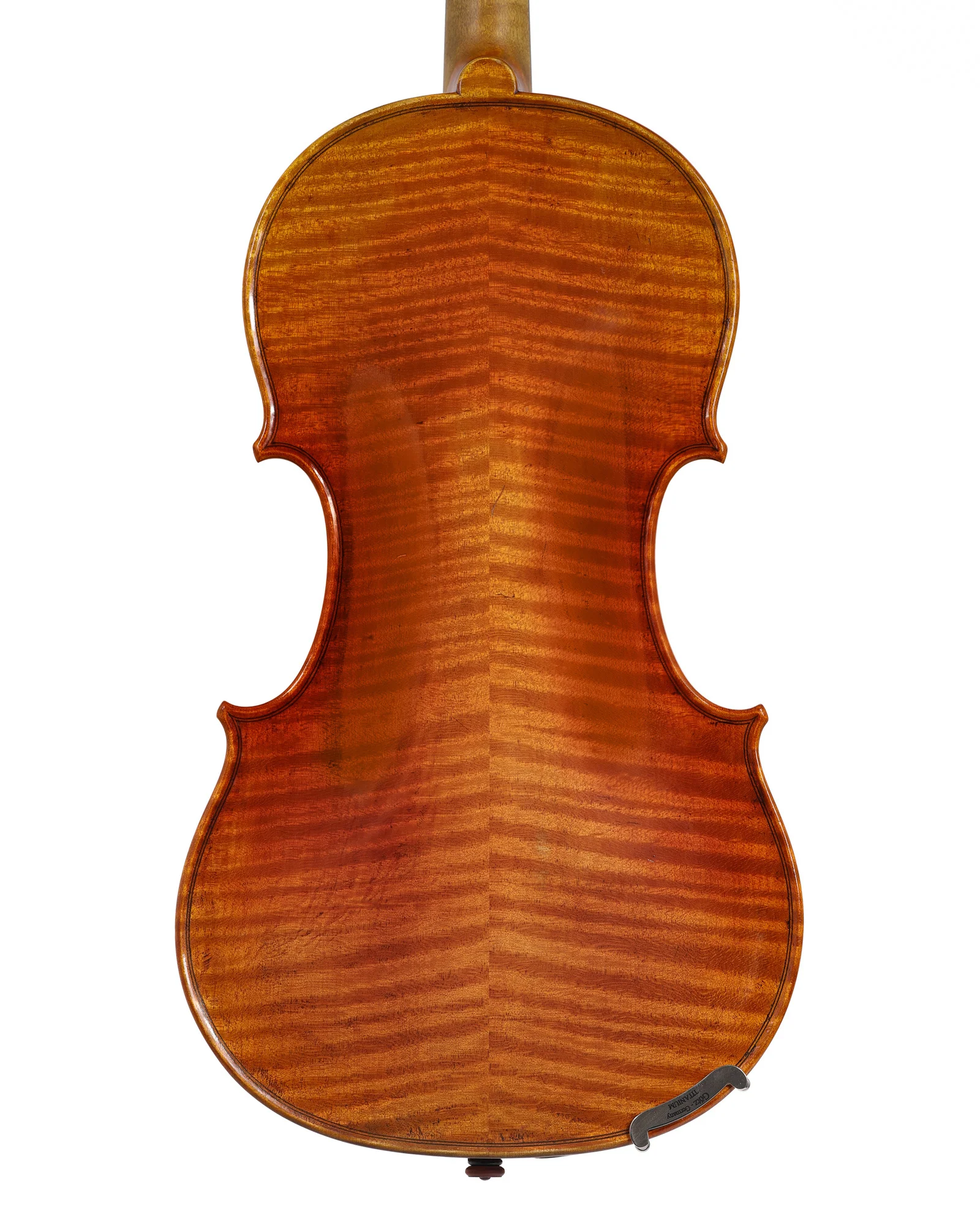
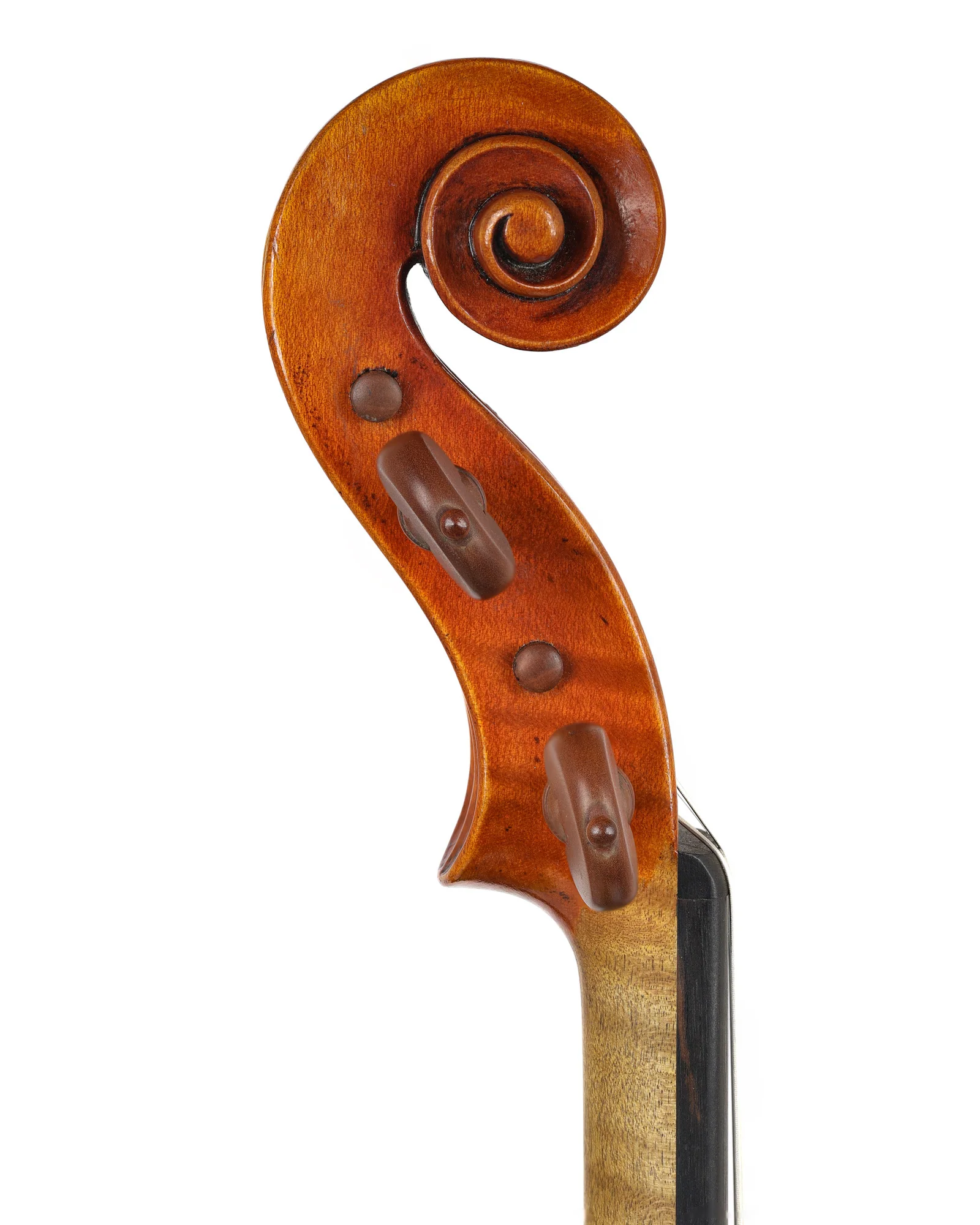
This nimble instrument has a gorgeous lower register as well as a spirited upper timbre, making for a notably versatile violin. It has a rich apricot varnish plentifully applied and beautifully antiqued over a golden ground. The fiddleback figures show flames extending from the center joint on the single-piece back. Similar flames run along the ribs and neck. There is a minor, structurally unimportant repair on the front plate at the base of the left f-hole.
Interior label reads: ““Gaspar Borchardt / fece in Cremona / in Piazzo Duomo - Anno 2004”
Length: 356 mm
Upper Bouts: 165 mm
Middle: 112 mm
Lower Bouts: 206 mm
About the Maker
Gaspar Borchardt (1961- ) was born in Germany. In his early twenties, he moved to Cremona to study at the Scuola di Liuteria, working closely with Alessandro Crillovi and Francesco Bissolotti. Since 1990, Borchardt has worked with his wife Sibylle Fehr in their workshop in Cremona. Borchardt’s instruments adhere to the traditional Cremonese methods of construction employed since Stradivari while using his own cultivated patterns. Known for refined instruments and using excellent and long-seasoned tonewoods, Borchardt often tests his instruments’ sound when they are “white” (unvarnished), as it is still possible to complete some technical changes at that stage for better acoustics. In 2015, Borchardt strove to find the same wood types used in Stradivari’s shop: flame maples in the Bosnian forest, some two-to-three centuries old, and cut during the winter (when the tree is lightest). These efforts are in the documentary “The Quest for Tonewood,” which shows the many complications of Borchardt’s efforts, including the landmines still present throughout the Bosnian countryside after the war in the 1990s.
Original: $23,000.00
-65%$23,000.00
$8,050.00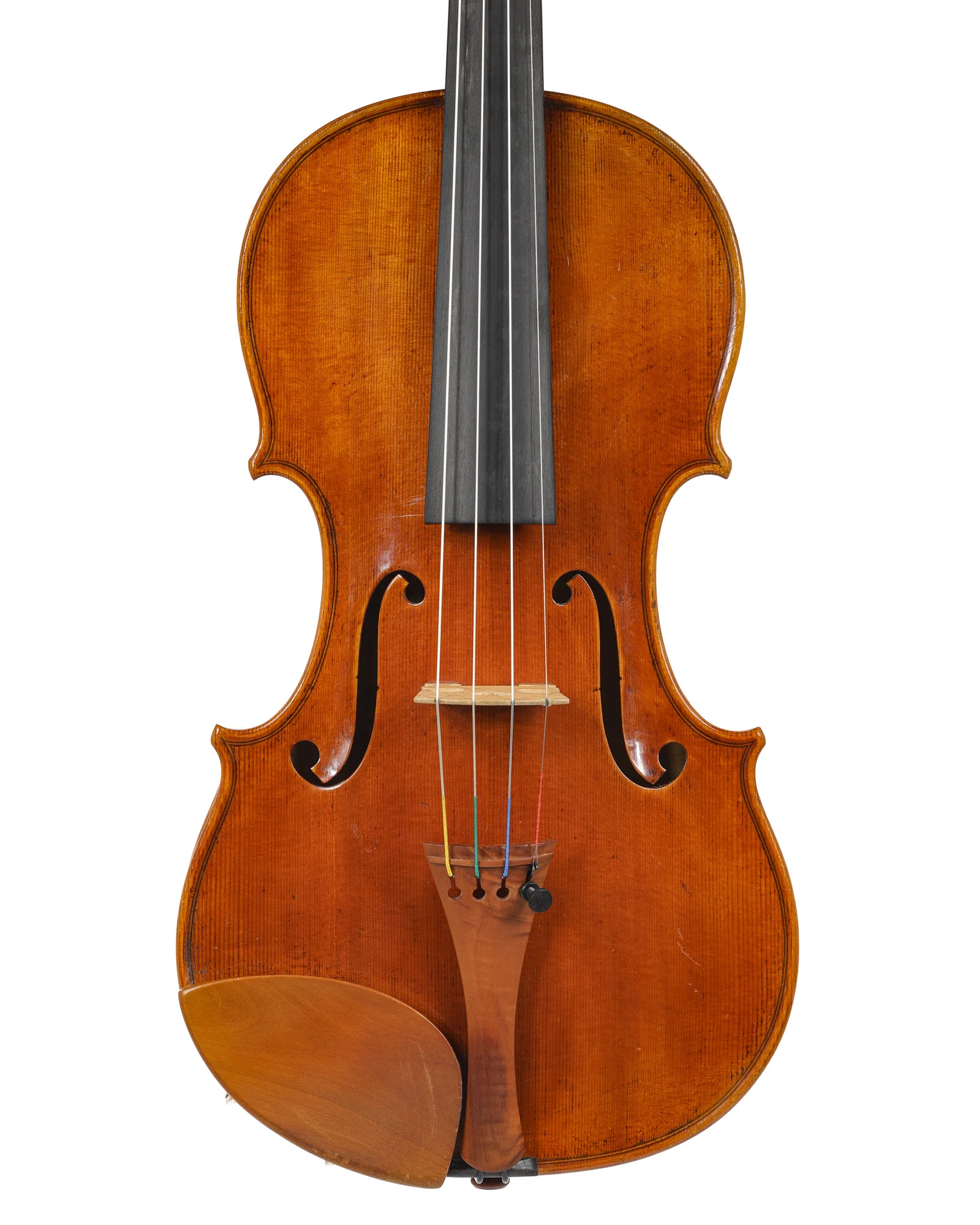
Description
powerful, warm, versatile
About the Instrument
This nimble instrument has a gorgeous lower register as well as a spirited upper timbre, making for a notably versatile violin. It has a rich apricot varnish plentifully applied and beautifully antiqued over a golden ground. The fiddleback figures show flames extending from the center joint on the single-piece back. Similar flames run along the ribs and neck. There is a minor, structurally unimportant repair on the front plate at the base of the left f-hole.
Interior label reads: ““Gaspar Borchardt / fece in Cremona / in Piazzo Duomo - Anno 2004”
Length: 356 mm
Upper Bouts: 165 mm
Middle: 112 mm
Lower Bouts: 206 mm
About the Maker
Gaspar Borchardt (1961- ) was born in Germany. In his early twenties, he moved to Cremona to study at the Scuola di Liuteria, working closely with Alessandro Crillovi and Francesco Bissolotti. Since 1990, Borchardt has worked with his wife Sibylle Fehr in their workshop in Cremona. Borchardt’s instruments adhere to the traditional Cremonese methods of construction employed since Stradivari while using his own cultivated patterns. Known for refined instruments and using excellent and long-seasoned tonewoods, Borchardt often tests his instruments’ sound when they are “white” (unvarnished), as it is still possible to complete some technical changes at that stage for better acoustics. In 2015, Borchardt strove to find the same wood types used in Stradivari’s shop: flame maples in the Bosnian forest, some two-to-three centuries old, and cut during the winter (when the tree is lightest). These efforts are in the documentary “The Quest for Tonewood,” which shows the many complications of Borchardt’s efforts, including the landmines still present throughout the Bosnian countryside after the war in the 1990s.